No products added!
November 25, 2026

What Are the Key Stages of the Garment Sampling Process?
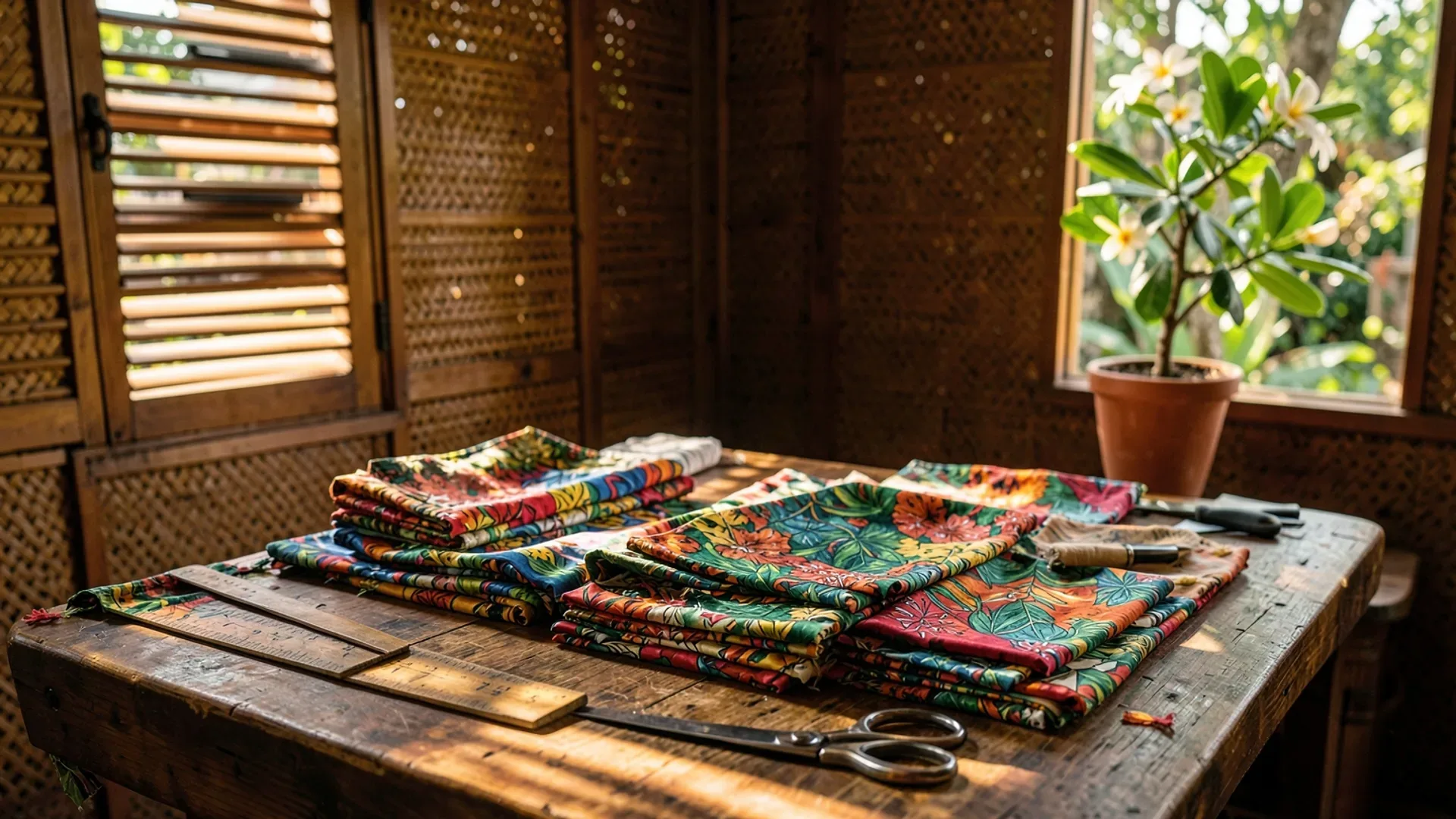
The garment sampling process typically follows five key stages: proto sample creation, fit and pattern adjustments, print or fabric lab dip approvals, pre-production (PP) sample production, and final sign-off. Each stage validates specific aspects of design, sizing accuracy, fabric drape, and construction quality before committing to full-scale bulk manufacturing.
For fashion startups, understanding this sequence is not optional. It is the difference between catching a seam placement error at the sample stage, which costs a few days, and catching it after 500 units are cut and sewn, which can cost the entire production budget.
Sampling is also how a factory and a brand build a shared standard. When both sides agree on a physical, approved specimen before bulk production begins, there is no ambiguity about stitching, sizing, or finish. Every piece produced in the bulk run is measured against that agreed specimen.
When you are evaluating a production partner, the quality of their sampling process is one of the clearest signals of how they will manage your full production. Finding the right clothing manufacturer for your startup means finding one whose sampling workflow is structured, communicative, and traceable from day one.
The five stages below break down how that process works in practice, from the moment a tech pack arrives at the factory to the moment a PP sample is approved and bulk cutting begins.
Stage 1: Tech Pack Review and Digital Pattern Creation
The sampling process begins before a single piece of fabric is touched. First, the factory reviews your tech pack in detail: checking for complete measurements across all sizes, construction notes, stitch specifications, fabric callouts, and trim details. If anything is missing or contradictory, questions are raised now. Resolving ambiguity at this stage is far cheaper than correcting it after a sample has been sewn.
Once the tech pack is approved internally, the pattern team builds the 2D digital pattern using CAD software. At Bali Garment Manufacturer, this stage also includes 3D visualization, which lets a brand see how a design sits on a virtual body form before any physical fabric is cut. This is especially useful for swimwear and activewear, where stretch ratios and seam placement affect both fit and function significantly.
Digital pattern making also creates a precise, reusable file. When revisions are needed after a fit test, the pattern team adjusts the digital file rather than drafting from scratch. This keeps subsequent sample rounds faster and reduces accumulated grading errors.
Our in-house digital pattern making and sampling services handle this entire first stage under one roof, which keeps communication clean and turnaround tight.
Stage 2: Proto Sample (First Prototype) Development
The proto sample is the first physical version of your design. Its purpose is not perfection. Its purpose is to evaluate the initial silhouette, test the core construction methods, and confirm that the digital pattern translates correctly into three dimensions on a real body or dress form.
At this stage, factories frequently use substitute fabrics from stock: a material with a similar weight, stretch percentage, and drape to what will eventually be used in bulk. This is intentional. Custom fabric orders, specialty fabric printing, and lab dips often take 2 to 4 weeks to produce. Building the proto sample in parallel with those fabric processes saves time overall.
What the proto sample is testing includes:
- Overall silhouette and proportion against the tech pack sketch
- Seam placement and seam type (flatlock, coverstitch, bound seam)
- Ease allowances and stretch recovery in knit fabrics
- Basic construction quality, including stitch density and tension
- Panel arrangement and lining placement for swimwear styles
Feedback from the proto review should be specific and measurement-based. Noting that a strap feels “too wide” is less actionable than noting that the strap measures 28mm and should be revised to 22mm. The more precise the feedback, the faster the next round moves.
Stage 3: Fit Sample and Pattern Revisions
Once the proto sample has been reviewed, the production team incorporates feedback into a revised digital pattern and produces the fit sample. This round is built closer to the final specification: using the correct fabric if it has arrived, or the closest available substitute if it has not.
The fit sample should be tested on a live fit model whose measurements match your target size grade, or on a calibrated dress form that reflects your size base. Visual assessment alone is not sufficient at this stage. Every key measurement on the spec sheet should be recorded against the actual sample measurement, and any deviation outside tolerance should be flagged for correction.
Standard measurement tolerances for swimwear and activewear typically sit within plus or minus 0.5 cm to 1 cm depending on the measurement point, following industry practices aligned with bodies such as ASTM International apparel sizing standards.
Common pattern revisions at this stage include:
- Adjusting crotch curve depth or width for swimwear
- Re-grading the waistband or hem circumference
- Repositioning bra cup underwire channels
- Modifying strap length or shoulder placement
- Correcting side seam shape for a cleaner silhouette
If revisions are substantial, a second fit sample round may be needed. If changes are minor and limited to trim placement or small measurements, the factory may proceed directly to the pre-production sample with signed-off corrections noted in the spec sheet.
Stage 4: Fabric Lab Dips, Print Strike-Offs, and Trims Approval
Parallel to the fit sampling rounds, the team works through fabric and trim approvals. These need to be confirmed before the PP sample is produced, because the PP sample must use the exact materials that will appear in bulk.
Lab dips are small swatches of fabric dyed to your specified Pantone or color reference. You review them for color accuracy under consistent lighting. It is common to need two or three lab dip rounds before the color is approved.
Print strike-offs apply to custom sublimation or digital print designs. The factory prints a small run of the pattern on actual production fabric so you can evaluate color saturation, repeat registration, and hand feel before approving the print file for bulk yardage.
Trims and hardware approval covers:
- Main labels and care labels (woven, printed, or silicone heat transfer)
- Hang tags and packaging inserts
- Metal or plastic hardware such as rings, sliders, and clasps
- Elastic type and width
- Thread color matching to fabric
Approving all of this alongside the fit sample rounds keeps the overall timeline from extending unnecessarily.
Stage 5: Pre-Production (PP) Sample Sign-Off
The pre-production sample, also called the Golden Sample, is built using the exact bulk fabric, approved trims, correct labels, and final pattern. This specimen is not a development piece. It is a contract piece: the benchmark that every unit in the bulk run will be measured against during quality control.
The PP sample should replicate what a customer will receive when they open the finished product. That means it ships with all packaging elements in place: hang tags attached, care labels sewn in, polybag folded correctly, and hardware functioning as expected.
When the PP sample is approved, the brand signs off in writing. That approval triggers bulk fabric cutting and assembly. The signed PP sample is retained at the factory as the QC reference until the order ships.
At this stage, the production pipeline moves from development into manufacturing. For a full picture of what that transition involves, see our guide to scaling clothing production from samples to bulk.
How Long Does the Clothing Sampling Stage Take?
The garment sampling stage usually takes 2 to 4 weeks per round, depending on fabric availability and tech pack clarity. Startups should budget 6 to 10 weeks overall to complete 2 to 3 revision cycles, accounting for pattern modifications, live fit testing, and international courier transit from the factory.
Courier shipping from Bali to Australia, the US, or Europe adds 3 to 7 business days per round via DHL or FedEx. If you are conducting live fit tests at your location and couriering feedback back, factor that transit into every round.
The two fastest ways to compress the sampling timeline are: submitting a complete, clearly measured tech pack from the start, and providing precise written feedback (with measurements) at every review stage rather than general comments.
3 Common Sampling Mistakes Startup Founders Should Avoid
1. Submitting an incomplete tech pack. Missing measurements, undefined seam types, or vague color references force the factory to make assumptions. Those assumptions get built into the proto sample, which then requires extra rounds to correct. A thorough tech pack at the start saves at least one full sample round.
2. Skipping live fit testing. Reviewing samples on a flat table or only by eye misses how a garment performs on a moving body. Swimwear and activewear especially require on-body assessment because stretch fabrics behave differently under tension. If you cannot access a fit model, invest in a dress form that matches your base size grade.
3. Over-revising minor aesthetic details. Sampling rounds cost time and money. If a seam is structurally correct and the measurement is within tolerance, changing it for a subtle visual preference can be deferred to the next production season. Reserve revision rounds for genuine spec deviations, construction problems, and confirmed fit issues.
Frequently Asked Questions
How many sample rounds does a startup typically need?
Most fashion startups require 2 to 3 sample rounds: an initial proto sample for shape and construction, a fit sample for pattern corrections, and a final pre-production (PP) sample with actual custom fabrics and trims.
Why are garment samples more expensive than bulk pieces?
Samples are cut and sewn individually by master tailors rather than on an automated assembly line. The single-piece cost includes custom pattern drafting, manual machine setup, individual fabric cutting, and dedicated quality control management.
Can I request samples using substitute fabrics first?
Yes. Factories often build proto samples using available stock fabric of similar weight, stretch, and drape to test construction fast while custom print strike-offs or specialty fabric orders are being produced.
What is the difference between a fit sample and a PP sample?
A fit sample checks sizing, drape, and pattern specs (often using substitute trims or fabrics). A pre-production (PP) sample is made using the exact bulk fabric, main labels, care tags, and hardware as an exact duplicate of what will be produced in bulk.
What happens if a sample does not match my tech pack?
If a sample deviates from the approved tech pack spec sheet due to a factory execution error, the manufacturer makes pattern and stitching revisions to produce a corrected sample round before bulk production begins.
Ready to bring your designs to life? Contact our Bali production team to start your sampling process today. Get in touch here.
Leave a Reply
Related Posts
November 24, 2026
What Is a Low MOQ Private Label Activewear Manufacturer? A low MOQ private label activewear manufacturer produces...
November 24, 2026
Getting a garment sample right is one milestone. Getting that same garment right across 500 or 5,000...
November 23, 2026
How Do You Find a Clothing Manufacturer for a Startup? To find a clothing manufacturer for a...